
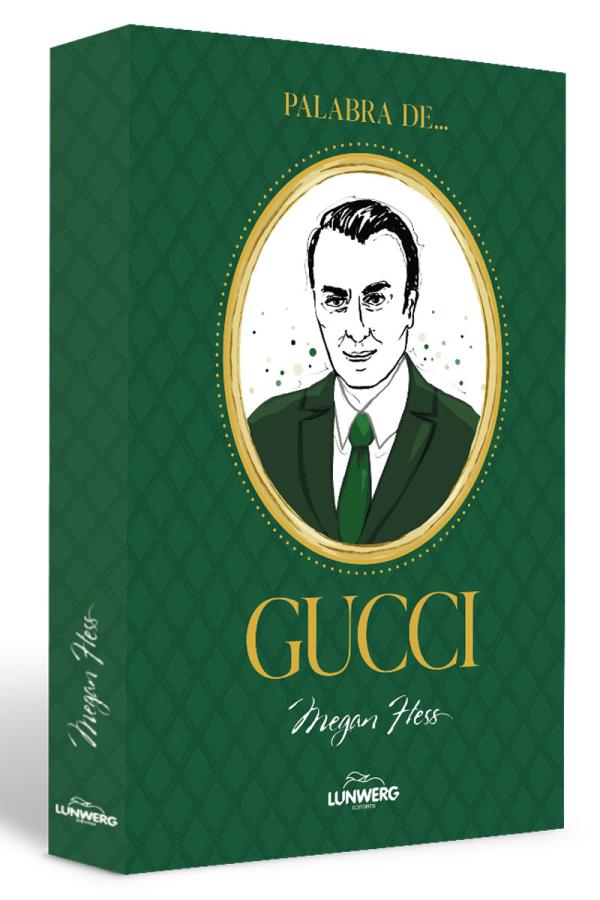
Word of Gucci
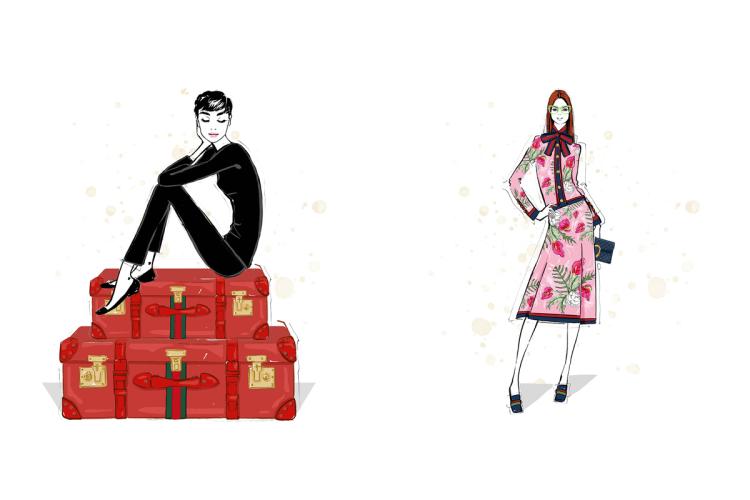
It all started with Guccio Gucci, a young Italian who left his homeland in search of fortune and returned to it to make his dream come true.
LinkMyriam BO
Gucci is one of those romantic figures whose story always captivates. Gucci went from working as an elevator operator at London's Savoy Hotel to founding his artisanal luggage workshop in 1921 and becoming a luxury goods brand with a global reach.
His vision combined exceptional Tuscan materials and craftsmanship with elegant English aesthetics.
In the book Gucci, internationally acclaimed author Megan Hess invites readers to explore the legacy of Guccio Gucci: from his personal and professional journey to the legacy he leaves behind today.
Guccio Gucci was born in 1881 in Florence, the ancient center of the arts. It's no wonder the city's architecture, history, and atmosphere are steeped in beauty and creativity. At the time, Florence boasted more artisans than any other place in Italy. Guccio's parents made straw hats, but the business wasn't very successful. When Guccio reached young adulthood, he moved to England. Since he had very little money, he worked on the freighter that took him to London, the nerve center of international trade and travel, to pay for his passage. The Savoy, the first luxury hotel in the British capital, had just opened, and young Guccio found work there as a bellboy, waiter, elevator operator, and butler.
In 1921, he realized his dream and opened his own establishment in Florence, on Via della Vigna Nuova, near the elegant Via de' Tornabuoni, where wealthy people frequented the restaurants and entertainment venues. The establishment was called Valigeria Guccio Gucci; in Italian, valigeria means "leather goods."
Soon after, he opened a workshop that allowed him to create the leather goods he had envisioned. Guccio and Aida's children grew up working in the family business and learning the trade from scratch, which sometimes meant traveling by bicycle to deliver orders,” Hess notes.
Apparently, Guccio would make his grandchildren smell a piece of leather and tell them, “This is the smell of leather, the smell of your future,” says Patricia Gucci, Aldo Gucci's granddaughter.
“Guccio Gucci went from being a young man with very little income to founding one of the most prestigious luxury brands in the world. His vision, ambition, and good taste propelled the brand from the beginning. Guccio was a devoted family man and kept his children close to him, even when they were adults,” the author notes.
Guccio Gucci always understood that tradition was essential when creating a status symbol. He was a man characterized by his exquisite taste, and his indelible mark was present in every item he sold. His main objective was to create pieces that would stand the test of time. This is reflected in his iconic logo of the interlocking double Gs, “Guccio Gucci.” In this way, Guccio is present in the shoes and belts he created, as well as in the luxury handbags he once envisioned including in his products.
“The first Gucci label was placed on a piece of Italian leather luggage designed in an aristocratic English style. The brand gained notoriety with the jet set of the 1950s and the debut of La Dolce Vita in the 1960s. Fashion icons such as Princess Diana, Princess Grace of Monaco, and Jacqueline Kennedy Onassis wore Gucci clothing and accessories. Throughout the different eras and aesthetics of the house’s creative directors—from Tom Ford’s dark shimmer to Alessandro Michele’s eclectic colors—the double-G brand has maintained its status in the world of haute couture,” says Megan Hess.
Personalities Associated with the Gucci Brand
Audrey Hepburn, the influential actress and model, purchased her Gucci travel bag in burgundy leather, creating a trend in the United States.
Queen Elizabeth II, shortly before becoming queen in May 1951, visited the Guccio Gucci atelier in Florence and was deeply impressed, remarking, "We have nothing like this in England."
Jackie Kennedy often carried the Gucci Constance bag, characterized by its crescent-shaped design. Thanks to her influence, the brand decided to rename it The Jackie in her honor.
The Flora print was designed for Princess Grace of Monaco. After she visited the Gucci boutique, its designer at the time, Vittorio Accornero, designed a silk scarf in her honor, composed of 43 varieties of flowers, plants, and insects, all painted in 37 colors. This print went on to adorn several of the brand's products, from kitten heels to inspiring an entire collection of floral fragrances.