Analysis of the diet of the first European agricultural communities A transdisciplinary study of the dietary evolution of the first agricultural and pastoral communities in Central Europe. more
Technology was able to help ancient man overcome climatic conditions 450,000 years ago, technological and subsistence advances could have helped to overcome climatic conditions marked by aridity and cold. more
Third place in the 2020 Young Researchers Awards contest A master's thesis directed at IPHES-CERCA wins third place in the Young Researchers Awards 2020 contest. saber más
Neanderthal camps at Cova de les Teixoneres The Neanderthal camps at Cova de les Teixoneres maintained their basic structure for more than 20,000 years. more (Spanish)
NEW MACAQUE REMAINS ABOUT 2,5 MILLION YEARS OLD TO FULFIL A GAP IN THE FOSSIL RECORD HAVE BEEN DISCOVERED The discovery is the result of the research of an international team composed by specialists from IPHES-CERCA, URV, University Mohammed Premier of Oujda and INSAP. more
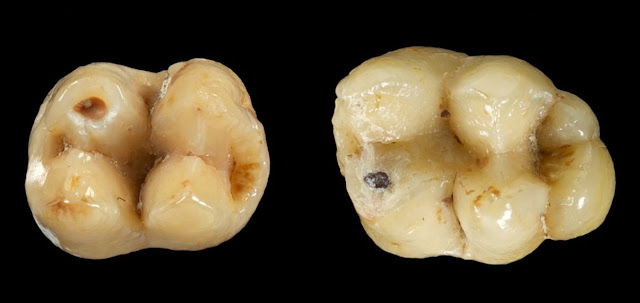
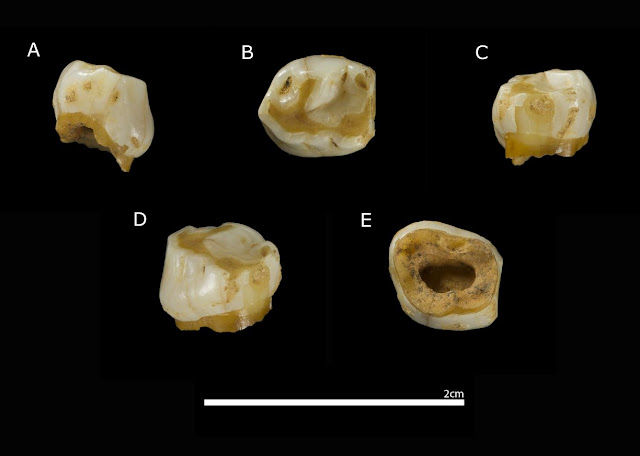
Vera, the last Neanderthal from the north of Burgos The work has had the participation of Marina Lozano, a researcher at the IPHES-CERCA-URV who has analyzed the milk tooth included in this study. more (Spanish)
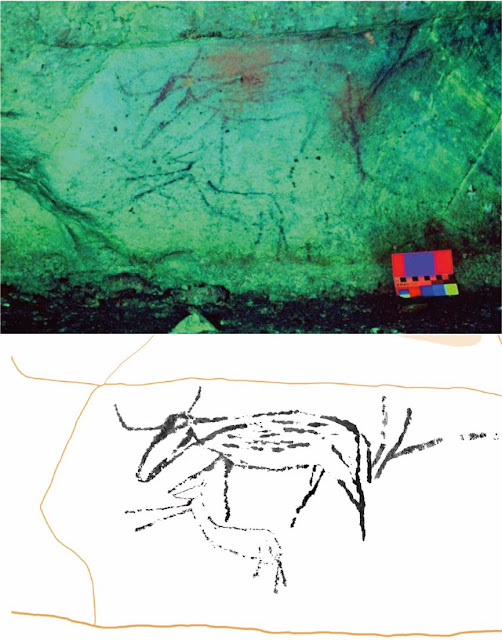
Cova Eirós shows that Palaeolithic art lasts beyond traditional areas and until 9,500 years ago The first Palaeolithic cave paintings in Galicia were discovered at this site in 2011. more (Spanish)
Hominids in Tanzanaia 2 million years ago Two million years ago, hominins living in Tanzania exploited very diverse ecosystems. more
Documentary about Olduvai An IPHES researcher participates in the documentary about Olduvai, the cradle of Humanity, which is broadcast by TVE from December 18 to 20. more (Spanish)
The book that explains the influence of homo sapiens on its environment throughout its evolution Its author is Bienvenido Martínez-Navarro, paleontologist, ICREA researcher at IPHES and associate professor at URV. more (Spanish)